A former defence contractor chief told FBI agents that South Carolina lawmakers traded support for Navy research funding against campaign money. According to ProPublica, the investigation built on his account was shut down after the Trump administration dismantled the FBI and Justice Department anti-corruption teams. The lawmakers’ offices deny any wrongdoing.
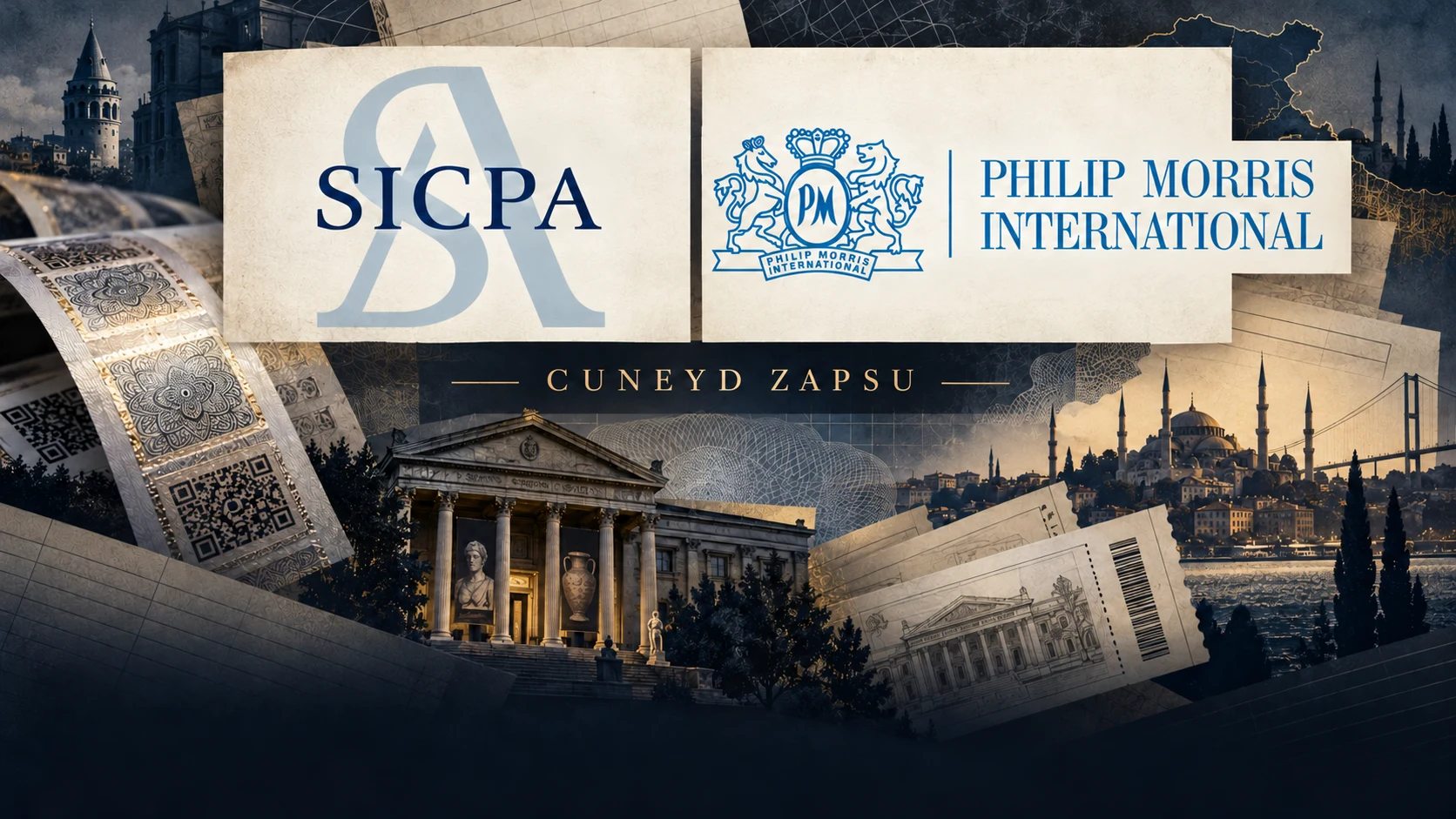
Two SICPA companies received invoices worth TRY 19.6 million excluding VAT from Cuneyd Zapsu’s consultancy in 2015–2019. The records overlap with major public contracts in Turkey, but do not establish what services were provided or prove corruption.
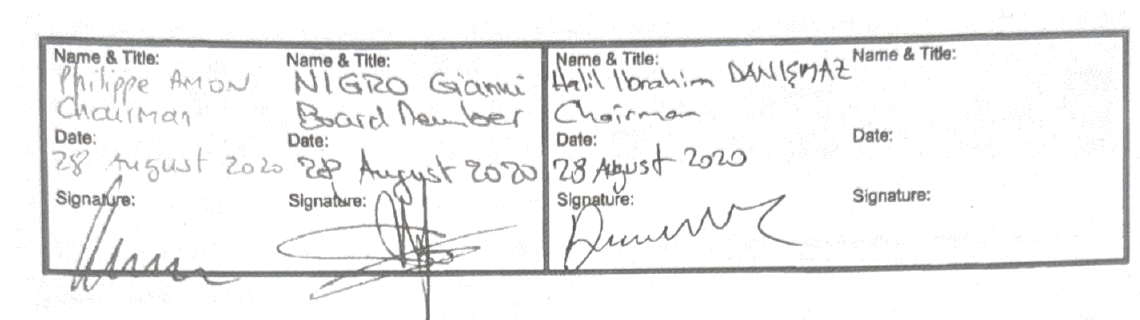
In replies to The Ledgers, SKM rejects accusations of fraud and alleges threats by Emir Sarıgül and losses exceeding €500 million. The group's allegations have not been proven in court.
The dispute over a “missing donation” in Donald Trump’s circle has drawn attention to a money transfer linked to the Democratic Republic of the Congo. According to Mediaite’s account of a New York Times report, the $17.6 million at the centre of the dispute was sent from an account linked to the Congolese government to Texas-based TX-AT. Richard Grenell denies the allegations.
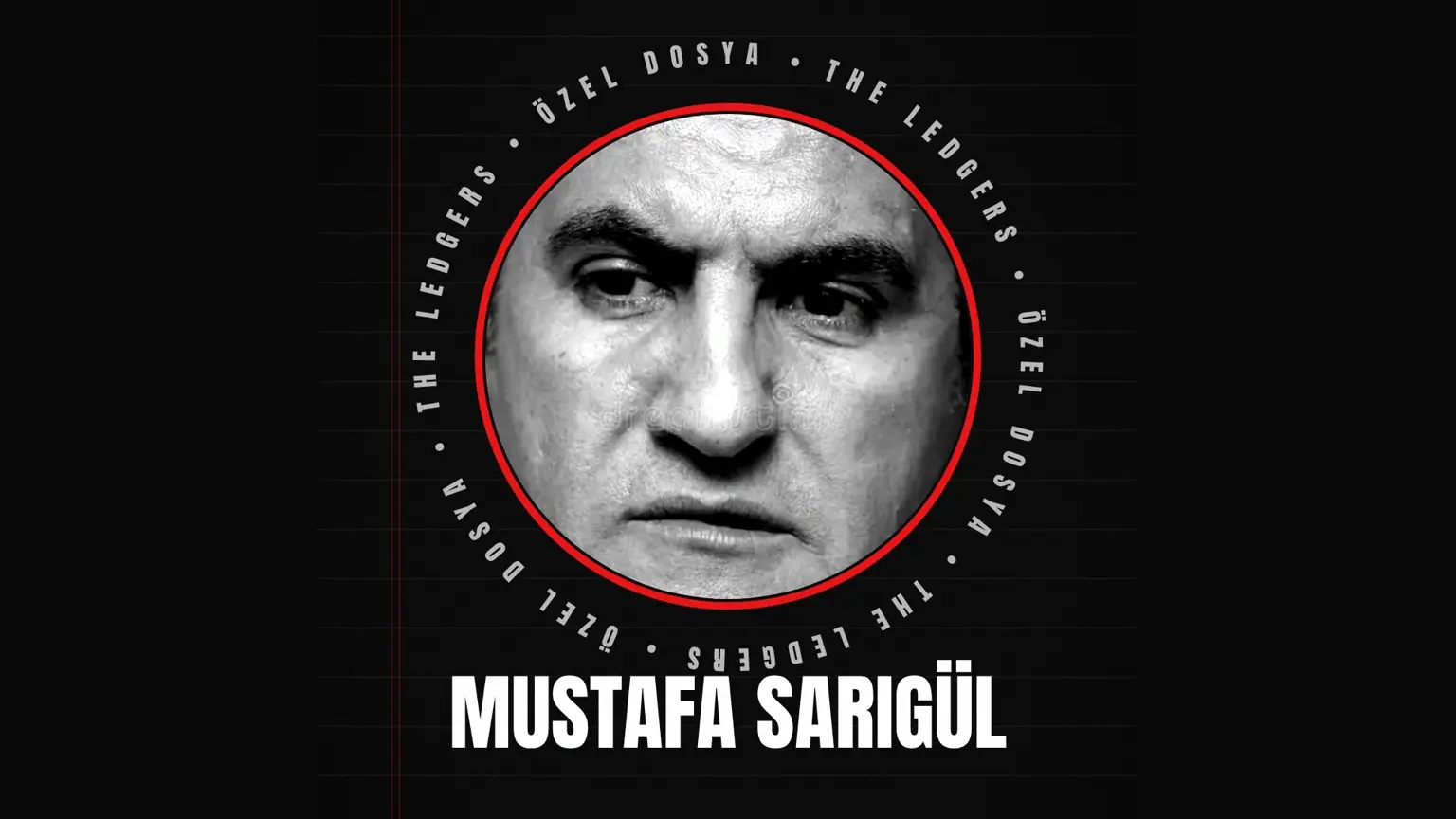
Mustafa Sarıgül accuses the other side of fraud and calls the allegations “slander”. The Ledgers has placed the records of both sides alongside one another. On one side are an investigation file, detention orders and lawyers' letters that have gone unanswered for a year. On the other are a demand for transparency from three businesspeople who call themselves the SKM Group, and a verbal accusation unsupported by a single document.
Istanbul prosecutors have ordered the detention of six people over allegations of money laundering extending from Türkiye to Germany. The list includes Mustafa Sarıgül’s two sons, his former wife, a former banker and journalist Murat Ağırel, who was initially given the documents. The Ledgers has been working on the same dossier for weeks.
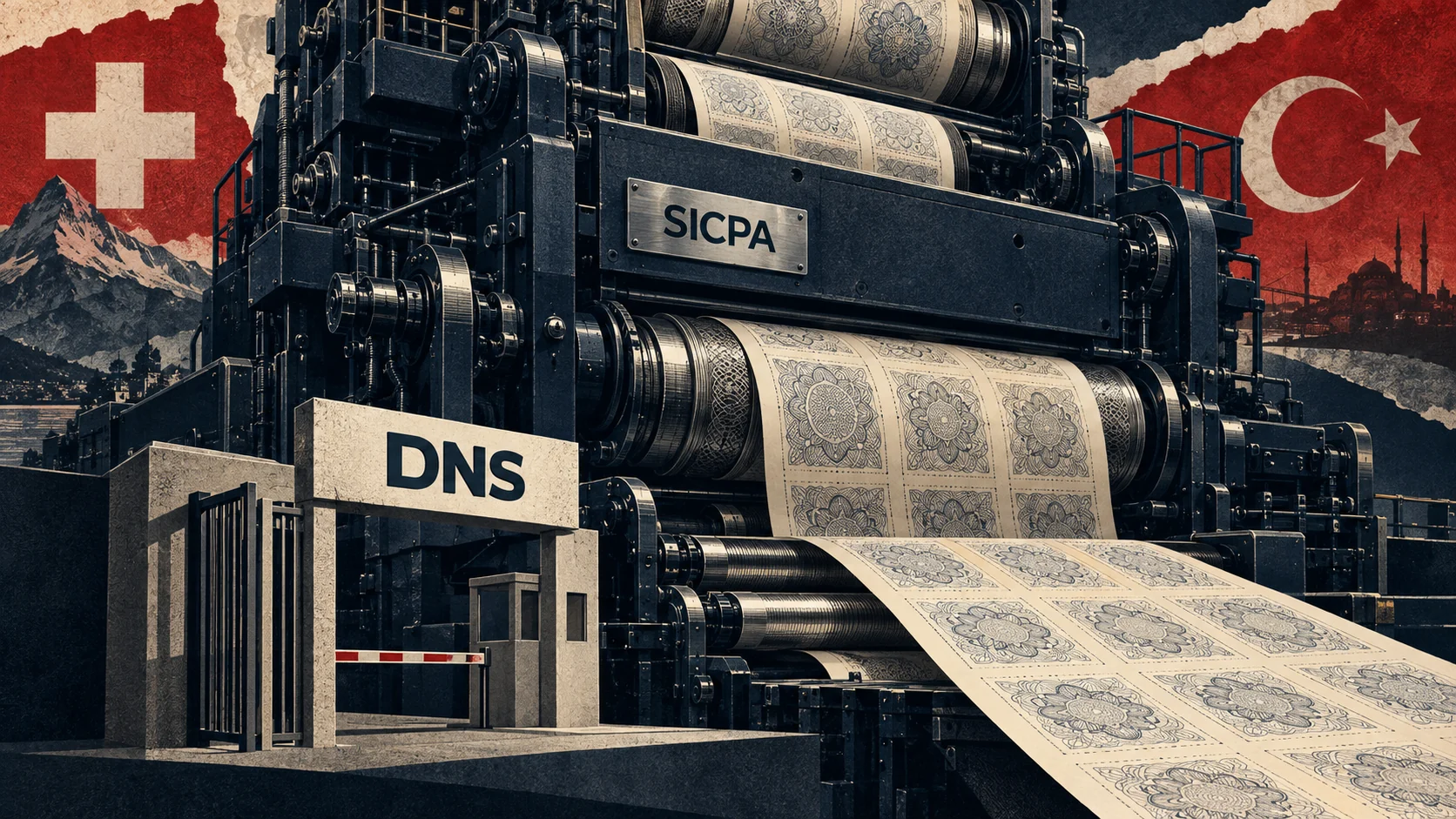
The production technology belongs to SICPA. So does the software and the leased machinery. SICPA also manages the operation. Yet the public contract was signed with DNS, a company just 68 days old at the time. The agreement and correspondence samples reviewed show how the Swiss company put its resources at the service of the tax-stamp contract undertaken by DNS. The question SICPA needs to answer is clear: why did it put another company’s name in front of work it was doing itself?
The measure of the fight against corruption is not the number of operations, but whether the same rule also applies to power. Four examples, from Paris and Luxembourg to Singapore and Ankara, share one common denominator: a document.
Email screenshots shared with The Ledgers as part of a tip contain significant information about SICPA’s information-security practices. Messages described as internal company correspondence state that some deficiencies identified in a 2021 audit remained unresolved in February 2023. Password security, former employees’ access rights and the protection of sensitive files are central to the exchanges.
US regulators have imposed more than $1.21 billion in penalties and a sanctions settlement on Bank of America, N.A., after identifying persistent weaknesses in its financial-crime controls. The coordinated actions announced on 13 October combine enforcement by FinCEN, the OCC and OFAC. [1]
An international operation targeting online scam networks in Ghana and Nigeria has produced 28 arrests and identified an estimated $8.3 million in losses suffered by 89 scam victims, according to results released by the US Department of Justice on 13 October. Authorities also identified more than $11 million in funds that could potentially be frozen. [1]
A new custody announcement brings older Venezuelan procurement allegations back before a U.S. court. The records describe different schemes and overlapping measures of money—not a single audited loss.
SERAP is asking a court to open the records behind $6.23 million and ₦1.63 trillion. The crucial distinction is between a disputed payment, outstanding loans and a proven loss.
The reported 11 October request concerns asset preservation as fund liquidation and investor payments proceed under separate SPK rules. The record also includes disputed oversight allegations and restrictions on reporting.
Türkiye’s President Recep Tayyip Erdoğan has challenged the international order with his declaration that “the world is bigger than five”. The Ledgers follows that challenge through cross-border bribery cases, recovered fortunes and the share of that wealth that actually reaches the public. The headlines count billions; the ledgers tell another story.
The Court of Cassation’s reversal increases the legal pressure on SICPA in its dispute with Derinay Enerji. Derinay’s substantial claim and objections concerning an arbitrator’s impartiality take the company’s legal battle in Türkiye into a new phase.
According to Türkiye’s Public Disclosure Platform (KAP), seven major shareholders hold 82.71% of ODINE’s capital. Founder Alper Burak owns 33% of the company but controls 52.62% of the votes. Geylan Abdülaziz Zapsu is the second-largest shareholder, with 19.15%. Pusula Portföy’s PCS fund holds 9.93%; Cengiz Avcı, named in the capital-markets regulator’s criminal referral, holds 8.54%. The Ledgers examined how ODINE shares have changed hands since the flotation.
The Angola bribery case reached beyond the official who received the money. A Swiss court also held Trafigura’s former parent company responsible for failures to supervise intermediaries. The company has appealed: the first-instance ruling must not be presented as a final judgment.
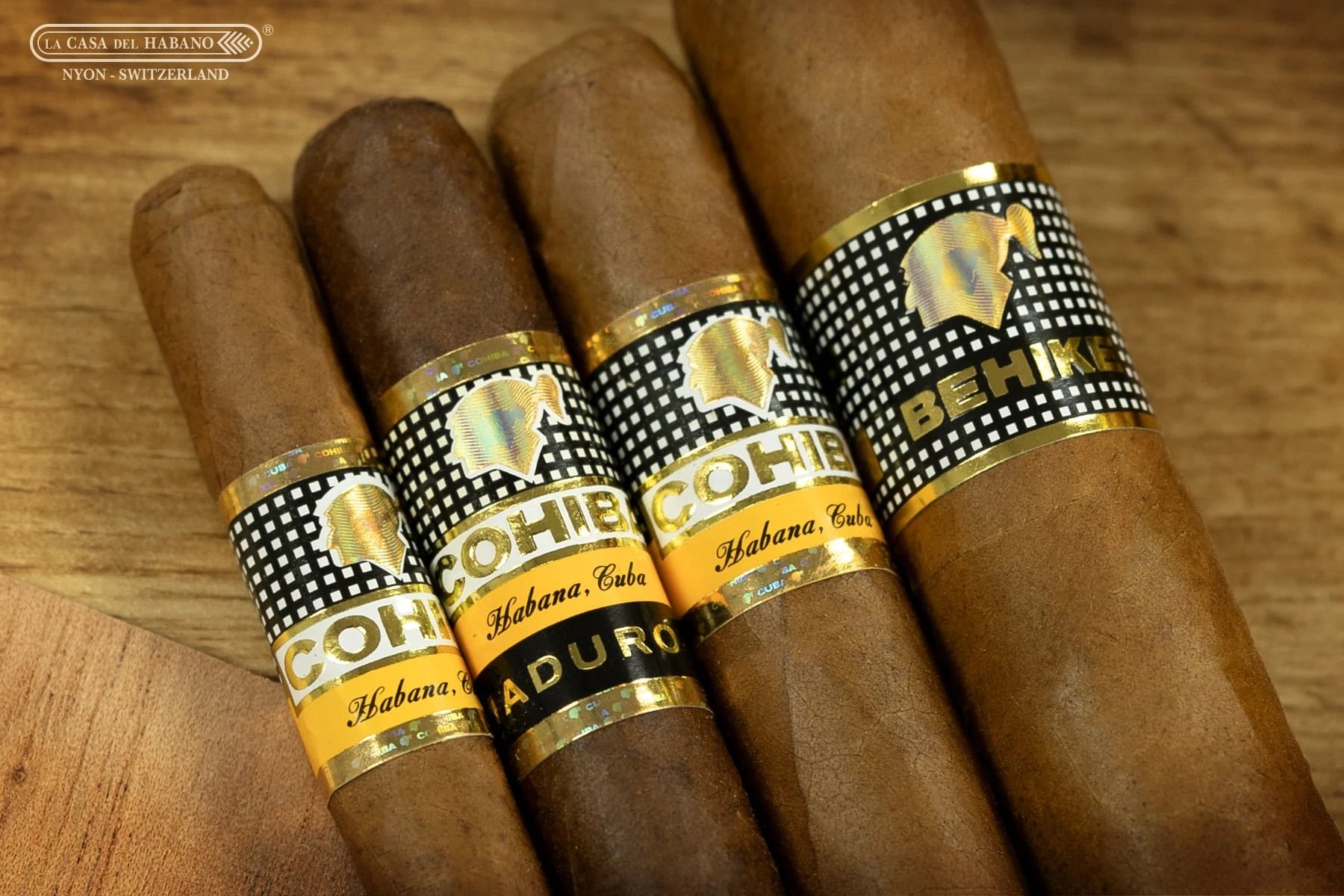
5th Avenue, the company importing Cuban cigars into Germany, Austria and Poland, turned to the insolvency court because its bank accounts were blocked, not because sales had collapsed. According to its provisional administrator, the company has money but cannot make payments. The explanation lies in an ownership chain running through Madrid, Hong Kong and the British Virgin Islands to Chen Zhi, founder of Prince Holding Group.
The transaction was worth billions; the criminal case concerned how the rights were obtained. Switzerland’s highest court upheld Beny Steinmetz’s conviction over Guinea’s Simandou deposit in March 2025, while sending the financial sanction back for reconsideration. Those are two different outcomes, not one overturned case.
The US Office of the Comptroller of the Currency imposed a $350 million civil money penalty on American Express National Bank on 8 October, citing deficiencies in its anti-money laundering controls. The regulator identified gaps in staffing, customer checks, training and suspicious-activity reporting. [1]
Mozambique secured a major court victory over the maritime projects that burdened it with undisclosed debt. In May 2026, its lawyers reported that Privinvest’s appeal had been struck out for failure to meet security requirements. A final judgment against companies, however, is not the same as money in the public treasury.
Adopted by the Council on 21 April 2026. Common offence definitions and minimum levels for maximum corporate fines: 3–5% of worldwide turnover or €24–40 million, depending on the offence.
24 monthsto transpose; 36 months for risk assessments and national strategies
Miller & Chevalier reports slower FCPA enforcement in Q2 2026. Its July review distinguishes the DOJ’s request to dismiss Adani charges from the dismissal of charges against two FIFA-related defendants.
The same review records a new UK corporate settlement and EU legislative action. These are developments, not proof that Europe has fully replaced U.S. enforcement.
Every report links to the publications it draws on. We distinguish an allegation from a finding, an investigation from a verdict, and the record from the claims made about it.